

How to store a 3 Pins Oval Rocker Switch properly?
Dec 03, 2025
Leave a message
Proper storage of electrical components is crucial to maintain their quality and functionality over time. As a supplier of 3 Pins Oval Rocker Switches, I understand the importance of providing guidance on how to store these switches properly. In this blog post, I will share some essential tips and best practices for storing 3 Pins Oval Rocker Switches to ensure they remain in optimal condition until they are ready for use.

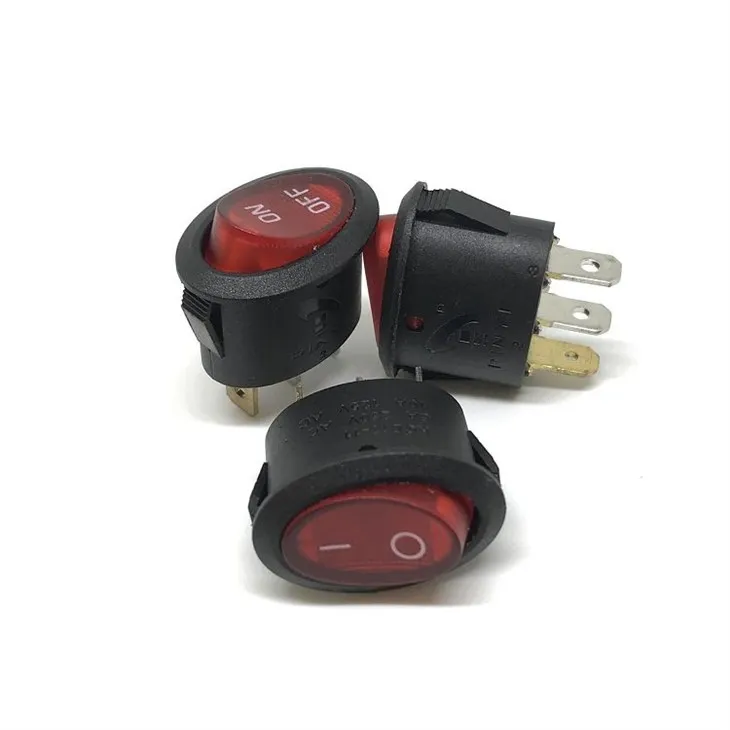
Understanding the 3 Pins Oval Rocker Switch
Before delving into storage methods, it's important to have a basic understanding of the 3 Pins Oval Rocker Switch. These switches are commonly used in various electrical applications, including household appliances, industrial equipment, and automotive systems. The "3 Pins" refer to the number of electrical terminals on the switch, which are used to connect the switch to the electrical circuit. The "Oval Rocker" design provides a comfortable and easy-to-use interface for users to turn the switch on or off. You can learn more about 3 Pins Oval Rocker Switch on our website.
Factors Affecting Switch Storage
Several factors can affect the quality and performance of 3 Pins Oval Rocker Switches during storage. These factors include:
- Temperature: Extreme temperatures can cause the materials in the switch to expand or contract, which may lead to mechanical stress and damage. High temperatures can also accelerate the aging process of the switch components, reducing their lifespan.
- Humidity: Moisture can cause corrosion and oxidation of the electrical contacts and terminals, which can lead to poor electrical conductivity and malfunction of the switch. High humidity can also promote the growth of mold and mildew, which can damage the switch housing and internal components.
- Dust and Dirt: Dust and dirt particles can accumulate on the switch contacts and terminals, which can interfere with the electrical connection and cause the switch to malfunction. In addition, dust and dirt can also scratch the surface of the switch housing, affecting its appearance and durability.
- Mechanical Stress: Excessive mechanical stress, such as dropping or crushing the switch, can cause physical damage to the switch components, including the contacts, terminals, and housing. This can lead to malfunction or failure of the switch.
Best Practices for Storing 3 Pins Oval Rocker Switches
To ensure the long-term quality and performance of 3 Pins Oval Rocker Switches, it is recommended to follow these best practices for storage:
- Store in a Cool and Dry Environment: The ideal storage temperature for 3 Pins Oval Rocker Switches is between 20°C and 30°C (68°F and 86°F), with a relative humidity of less than 60%. Avoid storing the switches in areas that are exposed to direct sunlight, heat sources, or moisture, such as near windows, heaters, or air conditioners.
- Use Proper Packaging: When storing 3 Pins Oval Rocker Switches, it is important to use proper packaging to protect them from dust, dirt, and mechanical stress. The switches should be stored in their original packaging or in a sealed plastic bag to prevent dust and dirt from entering. If the switches are not in their original packaging, they should be placed in a protective container, such as a plastic box or a foam-lined case, to prevent them from being damaged during handling and storage.
- Avoid Stacking or Overcrowding: To prevent mechanical stress and damage to the switches, it is important to avoid stacking or overcrowding them during storage. The switches should be stored in a single layer or in a way that allows them to be easily accessed and removed without causing damage to other switches.
- Keep Away from Chemicals and Solvents: Chemicals and solvents can damage the switch components, including the contacts, terminals, and housing. Therefore, it is important to keep the switches away from chemicals and solvents, such as cleaning agents, paints, and adhesives.
- Inspect Regularly: It is recommended to inspect the switches regularly during storage to ensure they are in good condition. Check for any signs of damage, such as cracks, scratches, or corrosion, and replace any damaged switches immediately.
Additional Considerations
In addition to the above best practices, there are some additional considerations to keep in mind when storing 3 Pins Oval Rocker Switches:
- Storage Duration: The longer the switches are stored, the greater the risk of damage and degradation. Therefore, it is recommended to use the switches as soon as possible after purchase to ensure their optimal performance.
- Compatibility: When storing 3 Pins Oval Rocker Switches, it is important to ensure they are compatible with the electrical system and application in which they will be used. Check the specifications and ratings of the switches to ensure they meet the requirements of the system and application.
- Handling and Installation: Proper handling and installation of the switches are also important to ensure their long-term performance. Follow the manufacturer's instructions and guidelines for handling and installation to prevent damage to the switches and ensure their proper operation.
Conclusion
Proper storage of 3 Pins Oval Rocker Switches is essential to maintain their quality and functionality over time. By following the best practices and guidelines outlined in this blog post, you can ensure that your switches remain in optimal condition until they are ready for use. If you have any questions or need further information about storing 3 Pins Oval Rocker Switches, please feel free to contact us. We are a leading supplier of 3 Pins Oval Rocker Switch, Rectangle Size Rocker Switch, and LED Illuminated Rocker Switch, and we are committed to providing our customers with high-quality products and excellent service. If you are interested in purchasing our products, please contact us for more information and to discuss your specific requirements.
References
- Electrical Engineering Handbook, Third Edition, edited by Richard C. Dorf
- Handbook of Electronic Component Technology, Second Edition, edited by C. A. Harper